

Bristle Dyeing Processes: Safe Chemicals for Colorful Shaving Brushes
Bristle Dyeing Processes: Safe Chemicals Shaping Colorful Shaving Brushes
Shaving brushes are more than grooming tools—they’re a blend of functionality and personal style. As demand for vibrant, customizable designs grows, bristle dyeing processes have become a critical step in creating visually appealing products. However, the choice of chemicals in dyeing directly impacts product safety, user health, and environmental sustainability. This explores how safe chemical practices are revolutionizing bristle dyeing for colorful, responsible shaving brushes.
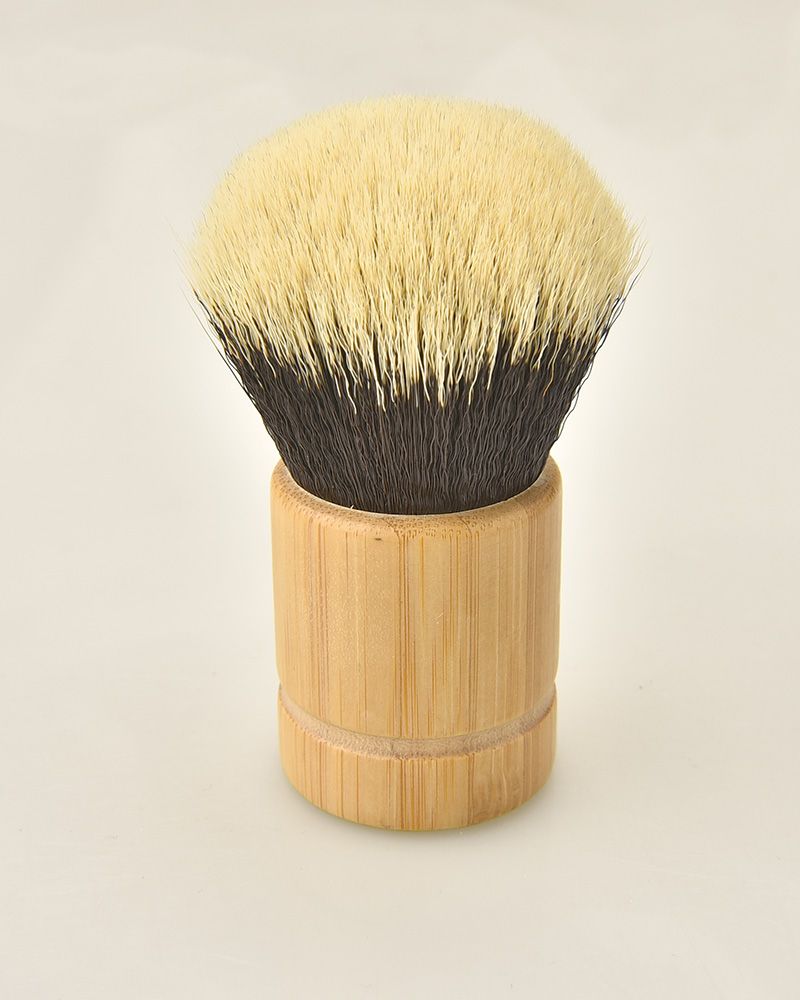
Traditional bristle dyeing often relied on synthetic dyes with harmful components, such as azo compounds or heavy metals like lead and cadmium. These substances pose risks: skin irritation for users, water pollution during production, and non-compliance with global safety standards (e.g., EU REACH or OEKO-TEX). As consumer awareness of product safety rises, manufacturers are shifting toward safer alternatives.
Today, safe bristle dyeing hinges on two key categories: natural dyes and low-toxicity synthetic dyes. Natural options, derived from plants (indigo, turmeric, madder root), minerals (iron oxide), or even insects (cochineal), offer biodegradable, skin-friendly colorants. For example, indigo—extracted from Indigofera plants—delivers rich blues without harsh additives. Meanwhile, synthetic dyes like disperse or acid dyes, when formulated to meet REACH regulations, provide consistent colorfastness with minimal toxicity. These dyes avoid carcinogenic amines and heavy metals, ensuring compliance with global markets.
Beyond dye selection, modern processes enhance safety. Low-temperature dyeing reduces energy use and chemical breakdown, while formaldehyde-free fixatives (e.g., citric acid-based agents) lock in color without releasing harmful fumes. pH-neutral rinsing further minimizes chemical residue, making brushes safer for sensitive skin.
Adopting safe chemicals offers multi-fold benefits. For consumers, it reduces the risk of allergic reactions, aligning with the “clean beauty” trend. For manufacturers, compliance with strict regulations (like the U.S. CPSC or EU Cosmetics Regulation) expands market access. Environmentally, biodegradable dyes and water-efficient processes lower carbon footprints, appealing to eco-conscious buyers. Brands like The Art of Shaving and Edwin Jagger have already embraced these practices, linking vibrant designs to sustainability.
The future of bristle dyeing lies in innovation. Research into bio-based dyes—using algae or agricultural waste—promises even greener solutions. Smart dyeing technologies, such as digital color matching, reduce over-dyeing and waste. As the industry prioritizes transparency, certifications like OEKO-TEX Standard 100 will become a benchmark, reassuring consumers of safe, colorful choices.
In the world of shaving brushes, color doesn’t have to compromise safety. By prioritizing natural and low-toxicity chemicals, manufacturers are crafting products that delight the eye and protect health. As demand for responsible grooming tools grows, safe bristle dyeing processes will remain at the forefront of industry evolution—proving that vibrant design and sustainability can go hand in hand.


